Unwrapping Shrink Film: From Basic Use to Green Revolution
author: Lu
2026-05-07
If you’ve ever bought a bottled water pack, a box of stationery, or a tray of fresh food, you’ve likely encountered shrink film. As one of the most common packaging materials in modern industry, shrink film—also known as heat shrink film—plays a vital role in protecting products, organizing goods, and enhancing shelf appeal. But what exactly is shrink film? How does it work? And why is its green version becoming a hot topic in 2026? Let’s unwrap the facts about this ubiquitous material.
Shrink film is a plastic film that shrinks tightly over items when heated, conforming to their shape and holding them securely. Its core feature is heat shrinkability: when exposed to a specific temperature (usually 80–180°C), the film contracts uniformly, creating a tight, wrinkle-free wrap. This process relies on the film’s molecular structure—during manufacturing, plastic molecules are stretched and locked in place; heat releases this tension, causing the film to shrink back to its original size.
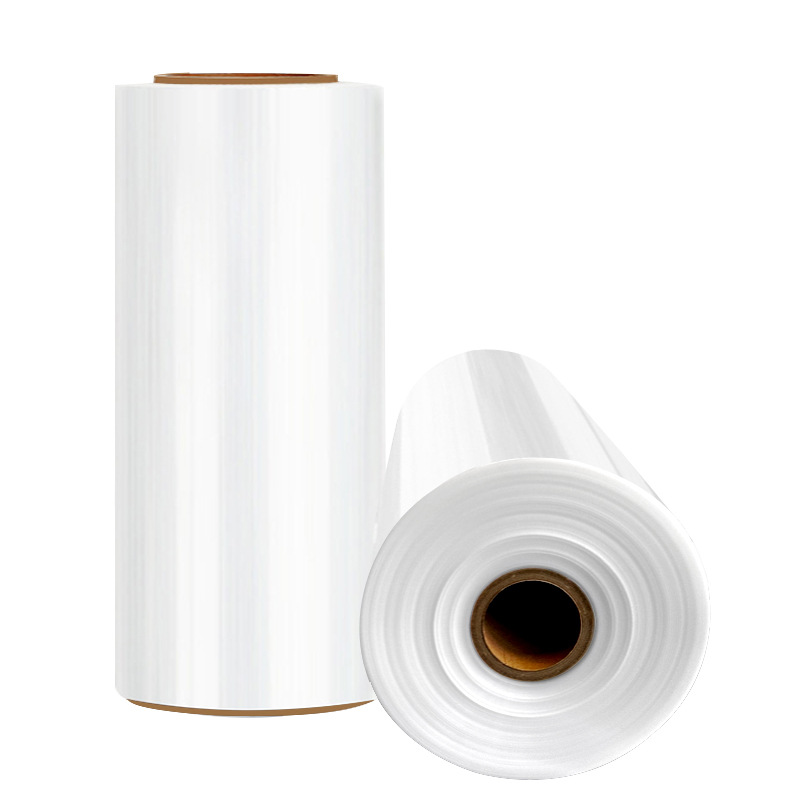
Traditional shrink films are mainly made from petroleum-based plastics like PVC, POF, and PE. PVC (Polyvinyl Chloride) film is low-cost and has high transparency, widely used in labels and daily packaging. POF (Polyolefin) film is non-toxic, flexible, and suitable for food packaging. PE (Polyethylene) film offers good toughness for heavy-duty bundling. For decades, these materials dominated the market due to their low cost and stable performance. However, they share a critical flaw: they are non-degradable. Discarded traditional shrink films can persist in landfills or oceans for hundreds of years, breaking into microplastics that harm soil, marine life, and even human health. This “white pollution” has become a global environmental crisis, driving urgent demand for sustainable alternatives.
In 2026, the shrink film industry is undergoing a profound green transformation. Stricter global plastic bans, rising consumer environmental awareness, and corporate sustainability goals have pushed biodegradable shrink film from a niche product to a mainstream choice. Unlike traditional plastics, biodegradable shrink film is made from renewable or degradable materials (such as PLA, cornstarch, or bio-based polymers). It maintains the same heat shrinkability, strength, and clarity as traditional film but can fully decompose in natural environments without toxic residues.
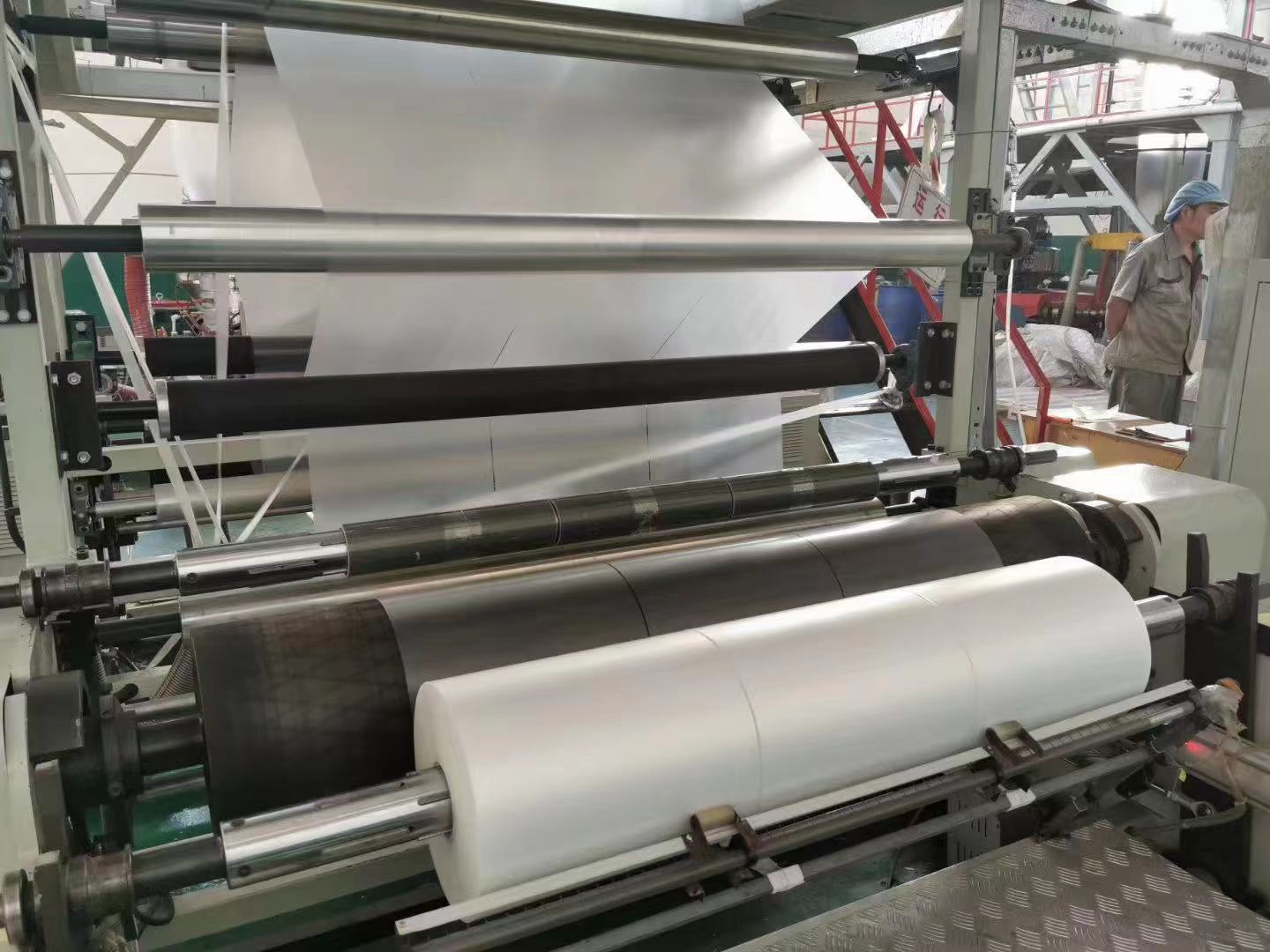
A key leader in this green wave is Qingdao Fullsun Biotechnology Co., Ltd., a manufacturer specializing in the production of biodegradable heat shrink wrapping film, composite printed roll film, biodegradable garbage bags and biodegradable shopping bags. The company’s products stand out for their authoritative certifications and reliable degradation performance. They are certified by the U.S. soil and marine biodegradation standards, ensuring they meet strict international environmental requirements.
The degradation process of Fullsun’s biodegradable shrink film is both efficient and eco-friendly. After use, the products can be buried in soil 50 cm deep, where they will naturally degrade into water, carbon dioxide and methane within 360 days. What’s more impressive is their performance in marine environments—they degrade even better in seawater, making them ideal for coastal industries, seafood packaging, and export logistics. By turning post-consumer waste into harmless natural elements, these products directly address the root cause of white plastic pollution, offering a practical solution for global environmental protection.
In 2026, the application scenarios for biodegradable shrink film are expanding rapidly. In food and beverage, it’s used for bottled drink packs, fresh produce trays, and snack boxes, ensuring food safety while reducing environmental impact. In logistics and e-commerce, it replaces traditional non-degradable film for pallet bundling and product protection, meeting the “green logistics” requirements of major platforms. In retail and cosmetics, it provides high-clarity, eco-friendly packaging that enhances brand image and appeals to eco-conscious consumers.
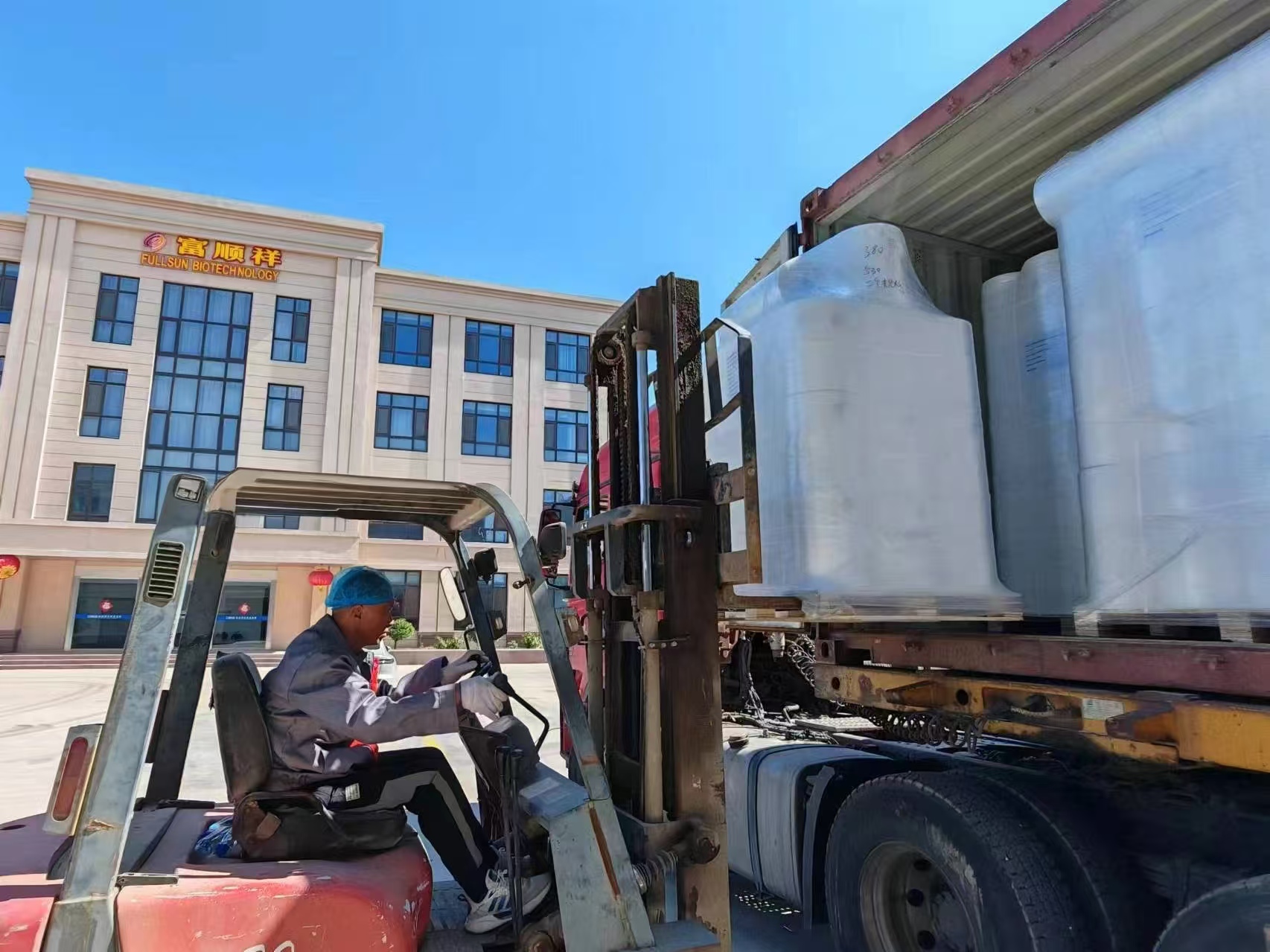
The shift to biodegradable shrink film also reflects broader industry trends: lightweight design, improved process compatibility, and reduced carbon footprint. Modern biodegradable films are engineered to work seamlessly with existing automated packaging lines, requiring no major equipment upgrades for manufacturers. This compatibility lowers the barrier to adoption, accelerating the industry’s green transition.
For businesses looking to upgrade their packaging sustainably, choosing the right biodegradable film supplier is critical. Qingdao Fullsun Biotechnology combines professional material science expertise with strict quality control, delivering products that balance performance, compliance, and environmental responsibility. To learn more about product specifications and obtain samples for testing, partners are welcome to visit the official website: //www.fullsunbiopackaging.com/.
In conclusion, shrink film is far more than a simple packaging material—it’s a reflection of industrial progress and environmental awareness. From traditional petroleum-based films to cutting-edge biodegradable solutions, the evolution of shrink film mirrors humanity’s growing commitment to sustainability. In 2026, with innovations from enterprises like Qingdao Fullsun Biotechnology, biodegradable shrink film is not just an option but a necessity, paving the way for a cleaner, greener future for the global packaging industry.
Shrink Film: From Protection to Green Innovation—A Complete Guide
Unwrapping Shrink Film: From Basic Know-How to Green Innovation
Related Article
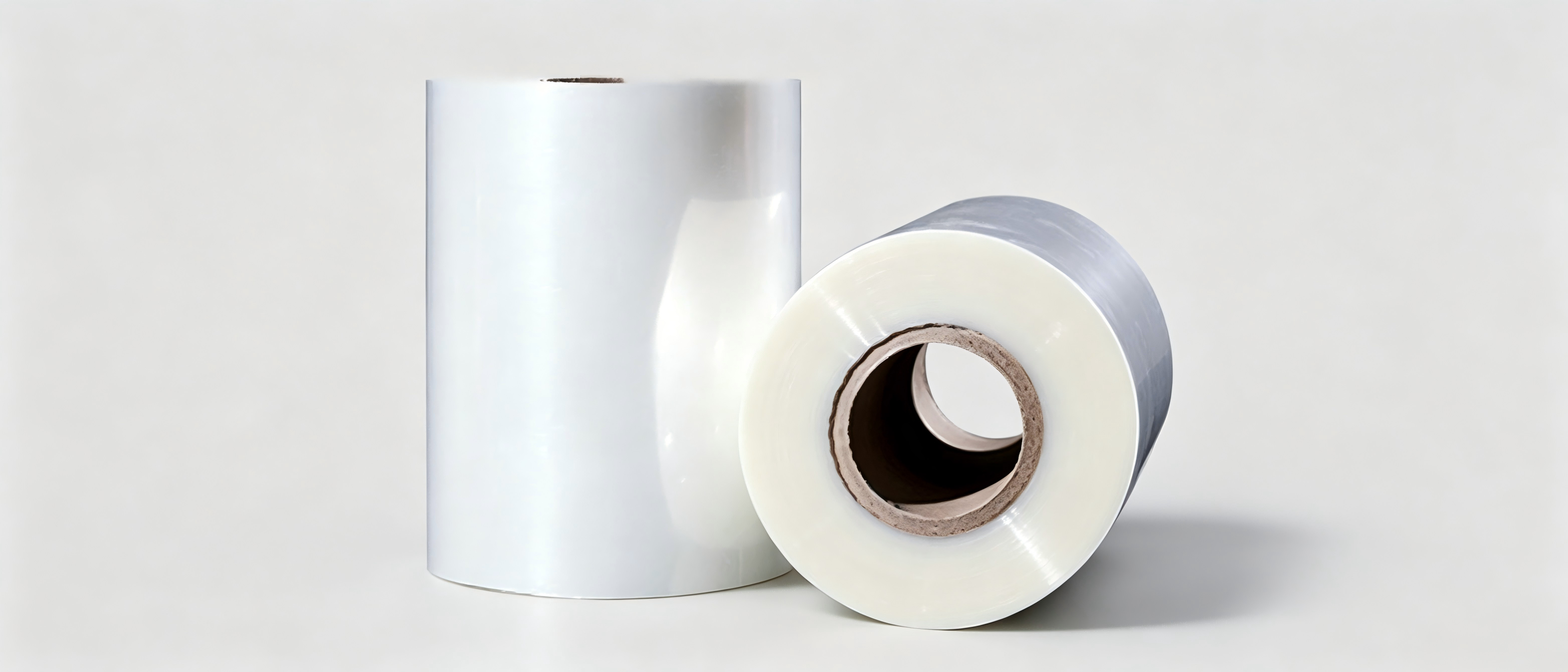
This guide explains pallet shrink film, pallet heat shrink film and biodegradable pallet shrink film. It covers core definitions, working principles, performance merits, application ranges, eco upgrades, selection tips, usage steps and industry trends to help logistics and manufacturing buyers pick proper wrapping materials.
Pallet Shrink Film: Complete Eco Packaging Guide
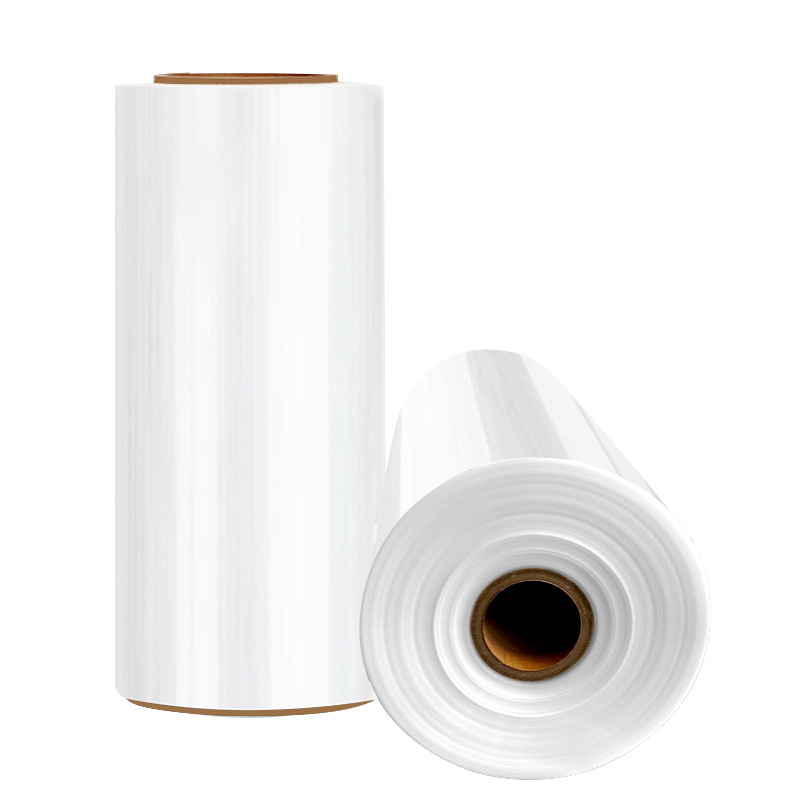
This guide explains shrink film, heat shrink film and biodegradable shrink film. It covers core features, working principles, application scenarios, eco advantages and industry selection tips for packaging buyers.
Complete Knowledge Guide of Shrink Film
This guide covers core knowledge of shrink film, heat shrink film and biodegradable shrink film. It explains material traits, working logic, application fields, eco advantages, certification standards and selection tips for manufacturers, retailers and packaging buyers.
Shrink Film Full Guide: Basic & Eco-Friendly Biodegradable Types
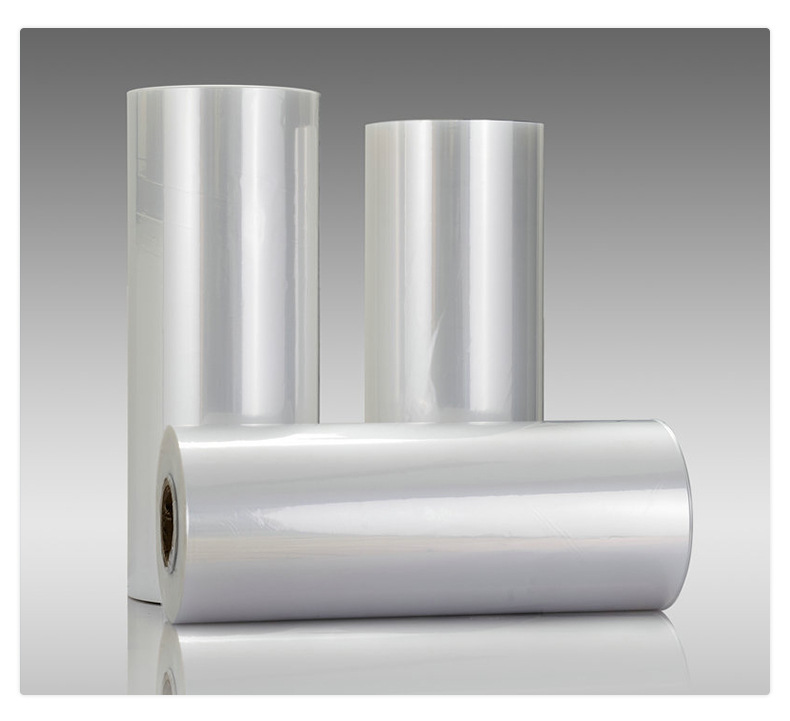
This guide explains shrink film, heat shrink film and biodegradable shrink film. It covers core definitions, working principles, product categories, practical merits, application sectors, certification standards, material differences and selection tips for eco packaging buyers.
Full Guide to Shrink Film & Biodegradable Heat Shrink Film