The Magic of Shrink Film: From Basics to Eco-Friendly Innovation
author: Lu
2026-04-23
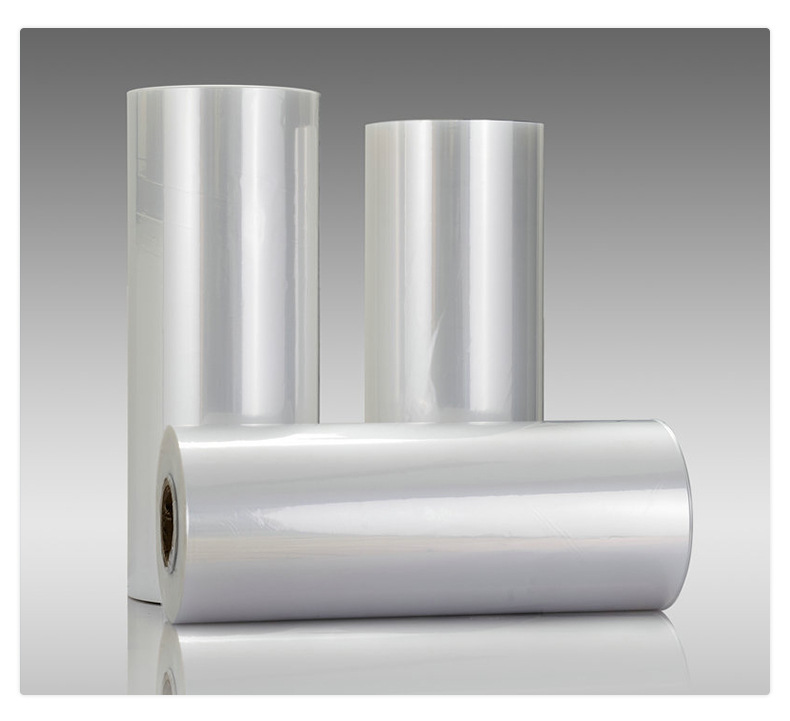
Shrink film is one of the most ubiquitous yet underappreciated flexible packaging materials across global industrial and consumer markets. Many people encounter it daily on bottled beverages, commodity bundles, electronic products and daily necessities, yet few fully understand its working mechanism, material classifications, performance features and the latest industrial upgrading in 2026. As global plastic governance policies grow stricter worldwide, the entire shrink film industry is undergoing profound structural transformation from traditional fossil-based plastics to sustainable biodegradable alternatives, reshaping the landscape of modern packaging.

Fundamentally, heat shrink film functions via unique thermal contraction physical properties. When exposed to appropriate heating sources such as heat guns and packaging tunnels, the polymer molecular structure inside the film contracts inward rapidly, tightly wrapping the surface of packaged objects. This physical reaction realizes dustproof, moistureproof, anti-scratch sealing, bulk bundling and anti-tampering protection simultaneously. At present, conventional mainstream shrink film materials on the market include PVC, POF, PET and OPS films. Traditional non-degradable films boast mature production technology and stable mechanical properties, yet they bring long-lasting environmental burdens. These petroleum-derived plastic products remain intact in natural environment for hundreds of years, accumulating massively in soil and ocean, and becoming a major source of global white plastic pollution.
In 2026, driven by international environmental regulations, circular economy development and rising low-carbon consumption demand, sustainable packaging has become the core development direction of the entire shrink film sector. Market statistics show that biodegradable and recyclable shrink film products have occupied over 30% of global market share, and the proportion keeps climbing year by year. European and American packaging waste regulatory rules further accelerate industrial innovation, pushing manufacturers to prioritize eco-friendly material research and development to meet global green trade standards and industrial low-carbon requirements. The industry no longer merely pursues basic packaging protection functions, but integrates environmental safety, material performance and diversified application scenarios into comprehensive product design.

Against this industrial backdrop, Qingdao Fullsun Biotechnology Co., Ltd. stands as a professional manufacturer dedicated to eco-friendly biodegradable packaging material research and production. The company specializes in the production of biodegradable heat shrink wrapping film, composite printed roll film, biodegradable garbage bags and biodegradable shopping bags. All series of products have obtained authoritative U.S. soil and marine biodegradation standard certifications, with verifiable and reliable environmental performance.
The outstanding degradation characteristics distinguish its products from ordinary traditional films. After use, the products can be buried in soil 50 cm deep, where they will naturally degrade into water, carbon dioxide and methane within 360 days. What is more remarkable is that the materials achieve even more efficient degradation in seawater environments, which effectively alleviates marine plastic residue problems and fundamentally addresses the long-existing white plastic pollution dilemma in ecological environment.
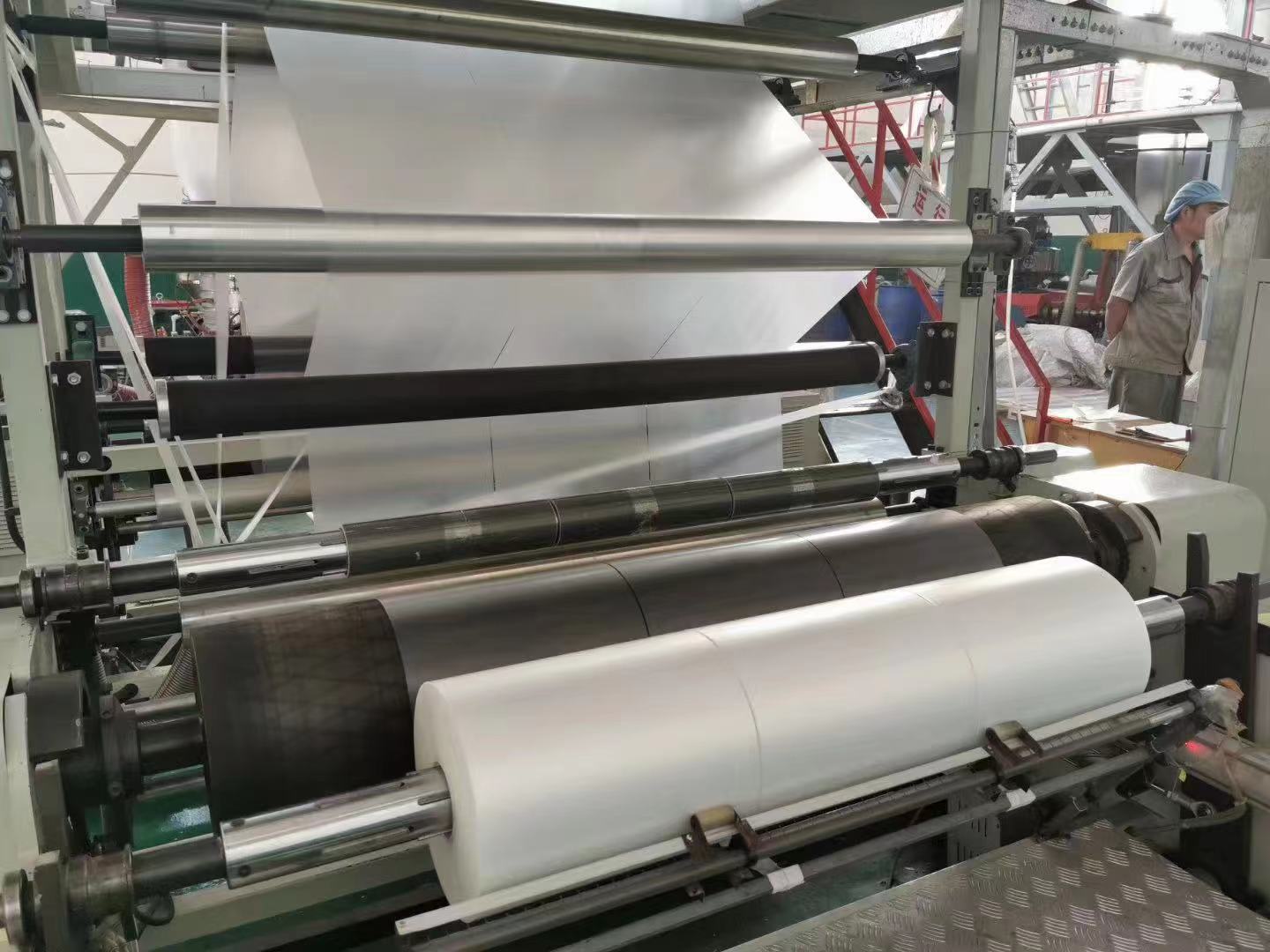
Apart from superior environmental performance, these biodegradable shrink films maintain excellent practical usability. They own uniform shrinkage rate, good surface transparency and outstanding printing adaptability. The composite printed roll film supports customized pattern and brand printing, perfectly adapting to multi-scenario packaging demands of food, daily chemicals, electronic goods and commodity bundling. While realizing ecological environmental protection, the products fully meet industrial packaging’s requirements for stability, aesthetics and practicality.
With continuous global exploration of green packaging solutions, biodegradable shrink film will gradually replace traditional non-degradable materials and become mainstream packaging choice. Enterprises exploring high-quality sustainable packaging solutions can explore diversified product applications. To gain more product details and acquire samples, visit the official website: //www.fullsunbiopackaging.com/.Shrink film evolution witnesses the integration of packaging technology and environmental protection. Every material innovation contributes to a greener planet for future generations.
Unwrapping Shrink Film: The Ultimate Guide to This Smart Packaging Hero
Wrap with Wonder: Unlocking the Green Secrets of Modern Shrink Film
Related Article
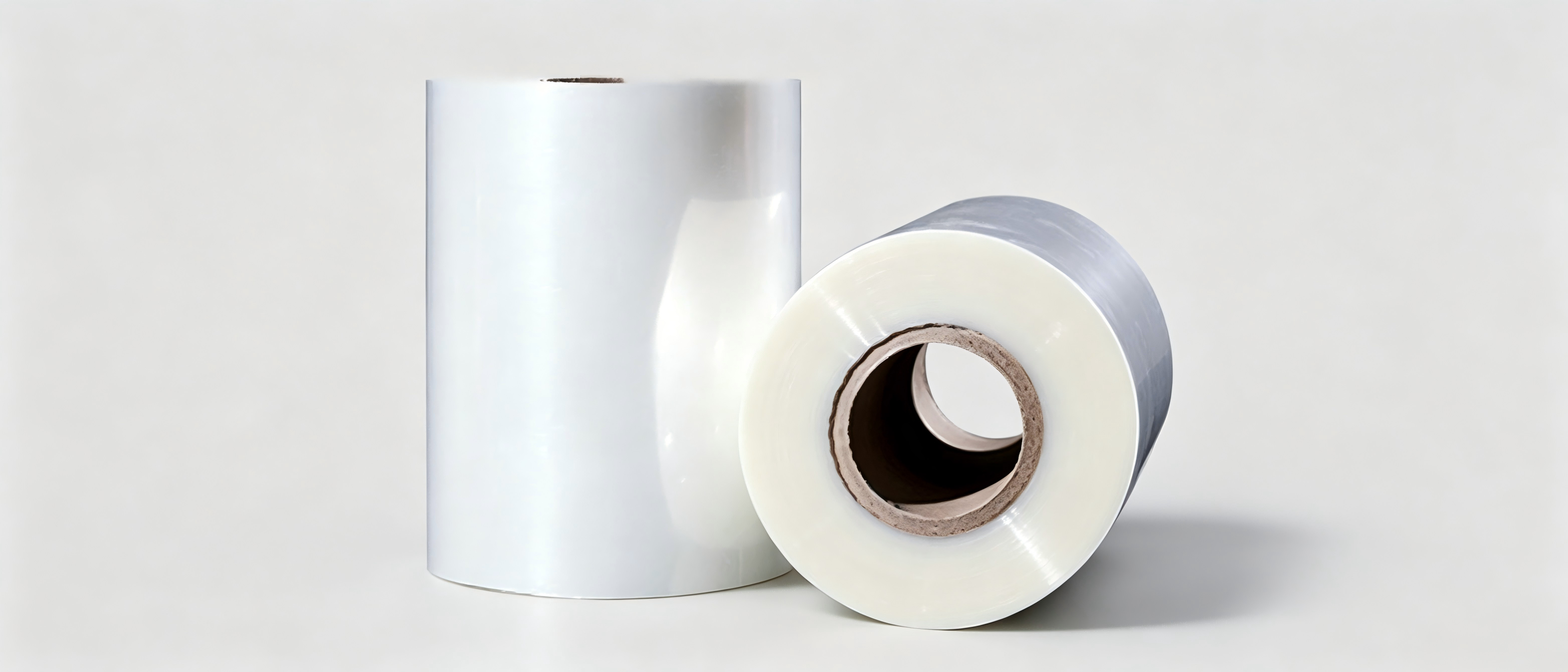
This guide explains pallet shrink film, pallet heat shrink film and biodegradable pallet shrink film. It covers core definitions, working principles, performance merits, application ranges, eco upgrades, selection tips, usage steps and industry trends to help logistics and manufacturing buyers pick proper wrapping materials.
Pallet Shrink Film: Complete Eco Packaging Guide
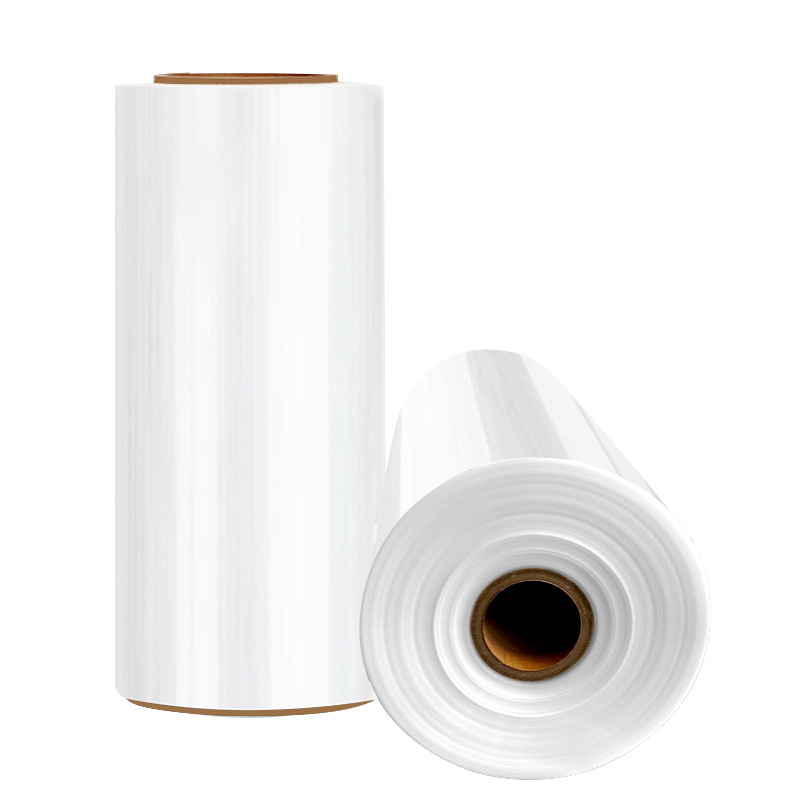
This guide explains shrink film, heat shrink film and biodegradable shrink film. It covers core features, working principles, application scenarios, eco advantages and industry selection tips for packaging buyers.
Complete Knowledge Guide of Shrink Film
This guide covers core knowledge of shrink film, heat shrink film and biodegradable shrink film. It explains material traits, working logic, application fields, eco advantages, certification standards and selection tips for manufacturers, retailers and packaging buyers.
Shrink Film Full Guide: Basic & Eco-Friendly Biodegradable Types
This guide explains shrink film, heat shrink film and biodegradable shrink film. It covers core definitions, working principles, product categories, practical merits, application sectors, certification standards, material differences and selection tips for eco packaging buyers.
Full Guide to Shrink Film & Biodegradable Heat Shrink Film