Shrink Film Unwrapped: From Everyday Packaging to Eco-Friendly Innovation
author: Lu
2026-04-15
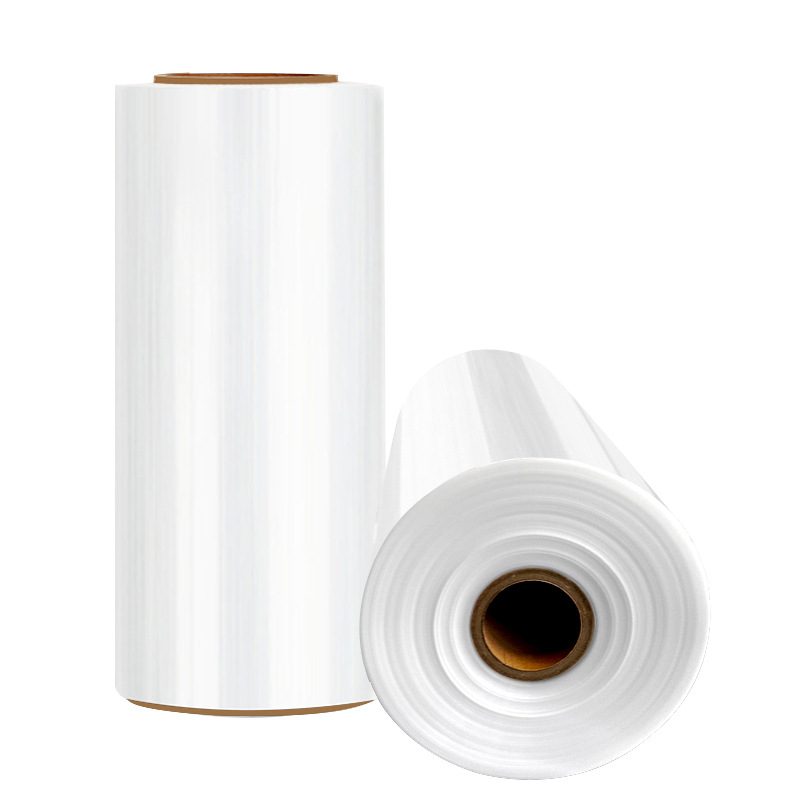
In the modern world of packaging, few materials are as ubiquitous and essential as shrink film. From securing a pallet of bottled drinks to wrapping a cosmetics gift set or protecting a new electronic device, this versatile plastic film is an unsung hero of logistics and retail. As the industry evolves in 2026, shrink film technology is advancing rapidly, with a strong focus on performance, sustainability, and environmental responsibility. Let’s explore the science, applications, and green future of shrink film.
What is Shrink Film?
Shrink film is a flexible plastic material designed to contract tightly around an object when exposed to heat. Its unique “memory effect” comes from manufacturing: the film is stretched while hot, then rapidly cooled to “freeze” the polymer chains in an extended state. When reheated, the chains relax, causing the film to shrink back to its original size and conform perfectly to the product’s shape. This creates a secure, tight, and transparent protective layer.
Traditional shrink films are typically made from petroleum-based plastics like PVC, PE (polyethylene), or POF (polyolefin). These materials offer excellent clarity, durability, and shrink efficiency, making them ideal for countless uses. However, their non-biodegradable nature has led to growing environmental concerns, as plastic waste accumulates in landfills and oceans.
How is Shrink Film Used?
The applications of shrink film are incredibly diverse:
- Retail & Consumer Goods: Wrapping boxes, bottles, CDs, and toys to prevent tampering, dust, and damage.
- Food & Beverage: Sealing fresh produce, multi-packs, and cartons to extend shelf life and ensure hygiene.
- Logistics & Palletizing: Securing large shipments and pallets for safe storage and transport.
- Industrial & Electronics: Protecting machinery, components, and sensitive devices from scratches and moisture.
The 2026 Shift: Sustainability Takes Center Stage
Recent industry trends and news clearly show a global move toward eco-friendly alternatives. With stricter regulations and rising consumer demand for green products, manufacturers are developing innovative biodegradable and plant-based shrink films. These new materials maintain the performance of traditional films but break down naturally after use, drastically reducing environmental impact.
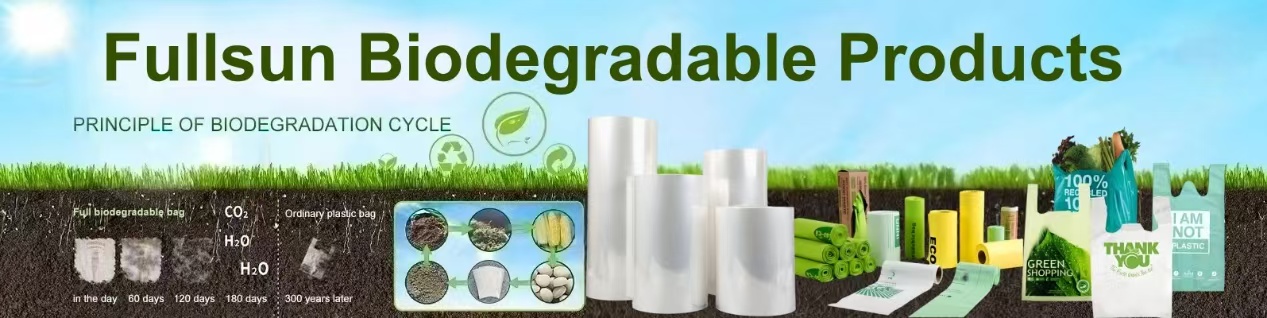
Leading this sustainable transition is Qingdao Fullsun Biotechnology Co., Ltd., a specialized manufacturer of biodegradable heat shrink wrapping film, composite printed roll film, biodegradable garbage bags and biodegradable shopping bags. The company stands at the forefront of green packaging technology, offering products that meet the highest international environmental standards.

A key advantage of Fullsun’s products is their proven biodegradability, certified by U.S. soil and marine biodegradation standards. After use, these films can be buried in soil at a depth of 50 cm, where they naturally decompose into water, carbon dioxide, and methane within just 360 days. Remarkably, they perform even better in seawater environments, offering a powerful solution to the critical problem of white plastic pollution in oceans. Unlike traditional plastics that persist for centuries, these films leave no harmful microplastics or toxic residues.
Performance Meets Eco-Consciousness
Importantly, eco-friendly does not mean low-quality. Fullsun’s biodegradable shrink film delivers reliable shrinkage, high transparency, and strong sealing properties, making it fully compatible with high-speed packaging lines. The composite printed roll film allows for vibrant branding and product information, ensuring businesses don’t have to sacrifice visual appeal for sustainability. This perfect balance of performance and eco-friendliness is why more industries are switching to biodegradable options.
Looking Ahead
As the shrink film industry continues to grow—projected to reach $28.3 billion globally by 2032—sustainability will remain the driving force. Manufacturers like Qingdao Fullsun Biotechnology are not just following trends; they are setting the standard for a greener future. By choosing biodegradable shrink film, businesses can protect their products, enhance their brand image, and actively contribute to solving the global plastic waste crisis.
To experience the future of packaging and test these innovative biodegradable solutions, visit the website: //www.fullsunbiopackaging.com/
Shrink Film Unwrapped: The Science, Evolution and Green Future of Modern Packaging
Beyond Ordinary Plastic: A Deep Dive into Shrink Film & Its Green Biodegradable Future
Related Article
This guide explains shrink film, heat shrink film and biodegradable shrink film, covering working principle, categories, features, applications, selection tips and eco‑friendly trends for packaging buyers.
Shrink Film: Complete Product Knowledge Guide
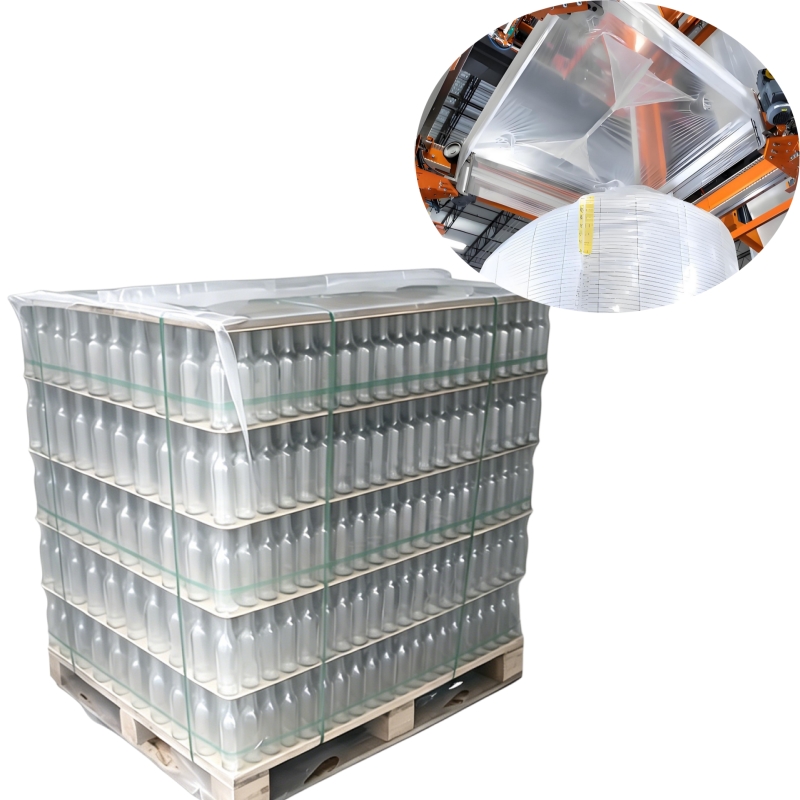
Pallet shrink film is heat‑activated packaging material for pallet cargo fixation. This article covers pallet heat shrink film and biodegradable pallet shrink film, explaining features, usage and eco‑friendly alternatives for logistics packaging.
Pallet Shrink Film: Complete Product Guide
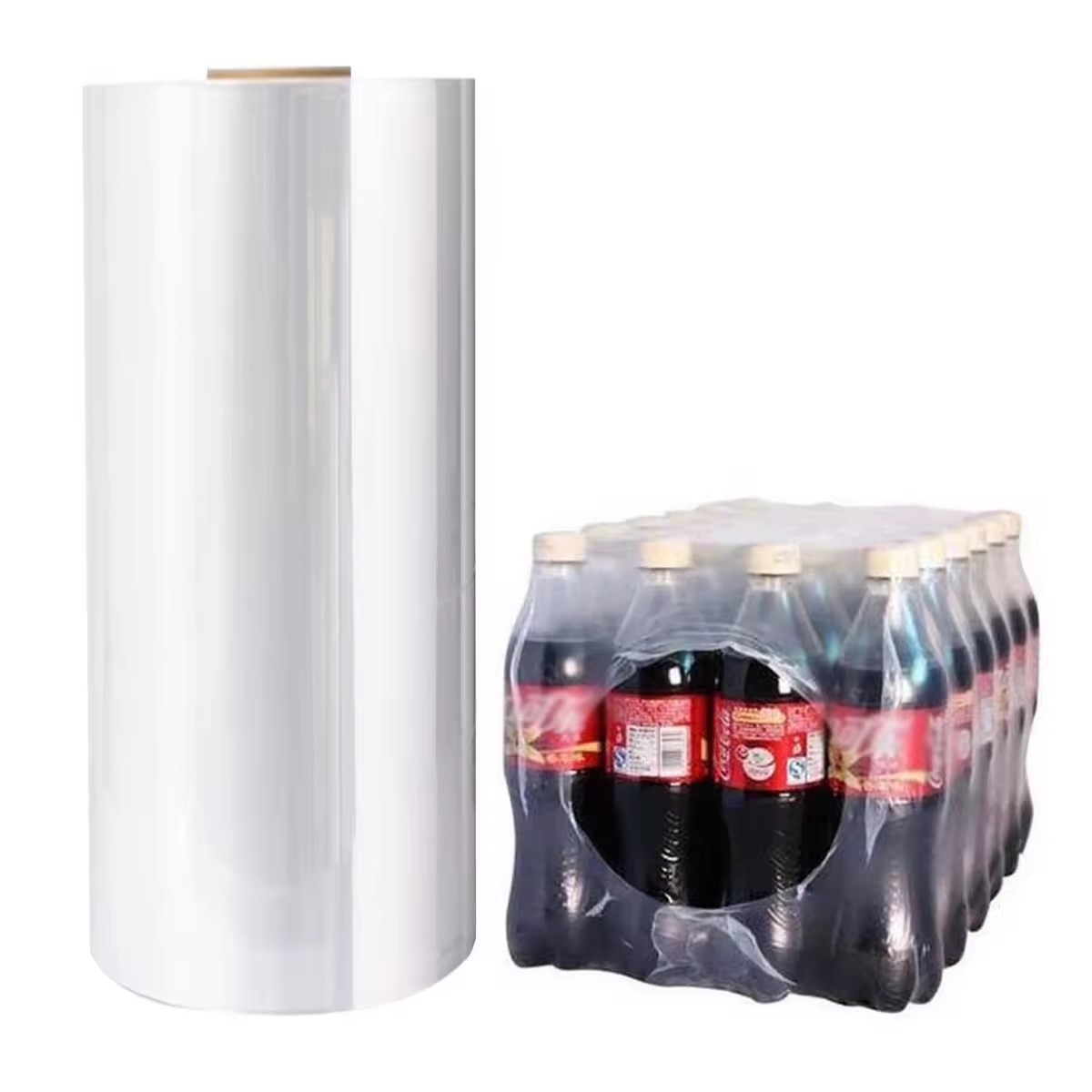
Shrink film is a widely used packaging material for product wrapping and protection.Biodegradable shrink film and heat shrink film upgrade traditional packaging with eco-friendly features.It balances packaging performance and environmental protection for modern industries.
Basic Knowledge of Shrink Film for Eco Packaging
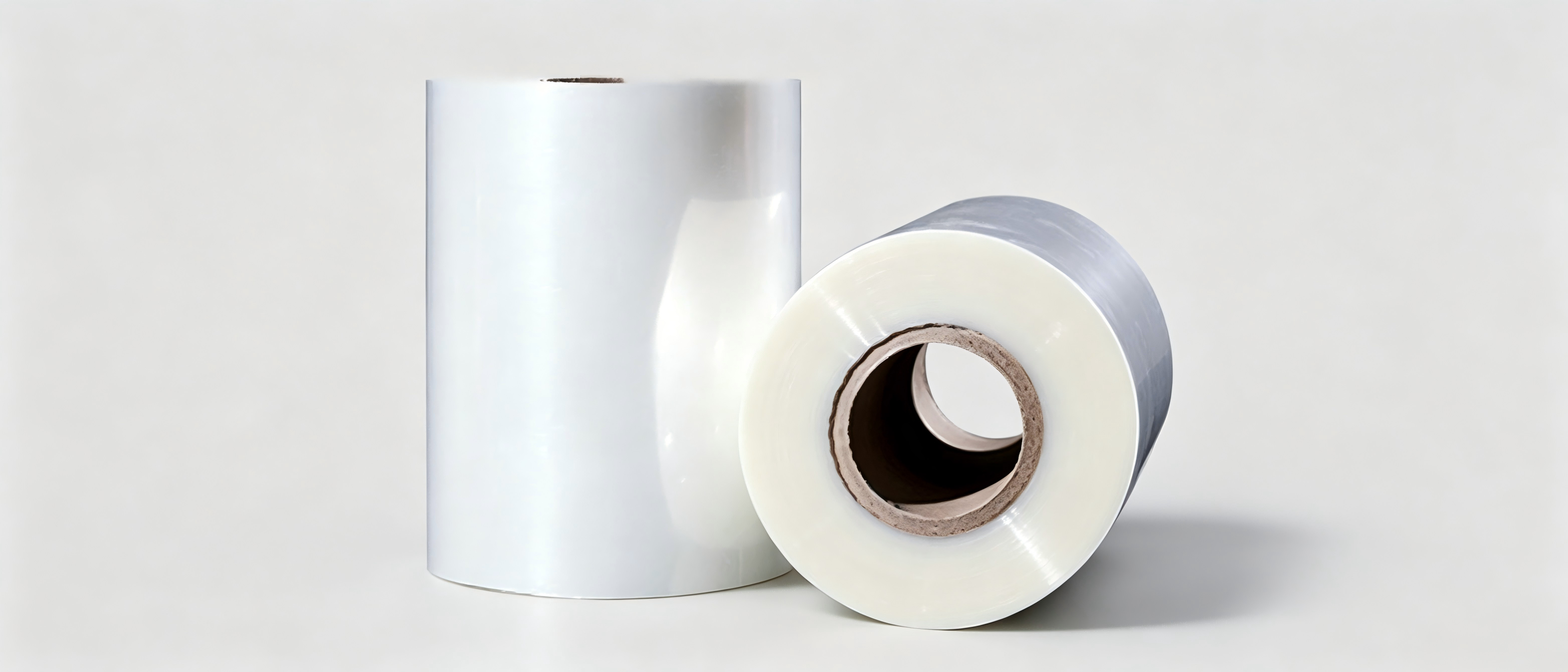
This guide explains pallet shrink film, pallet heat shrink film and biodegradable pallet shrink film. It covers core definitions, working principles, performance merits, application ranges, eco upgrades, selection tips, usage steps and industry trends to help logistics and manufacturing buyers pick proper wrapping materials.
Pallet Shrink Film: Complete Eco Packaging Guide