What Is Shrink Film? A Beginner’s Guide to Packaging’s Most Versatile Material
author: Lu
2026-03-23
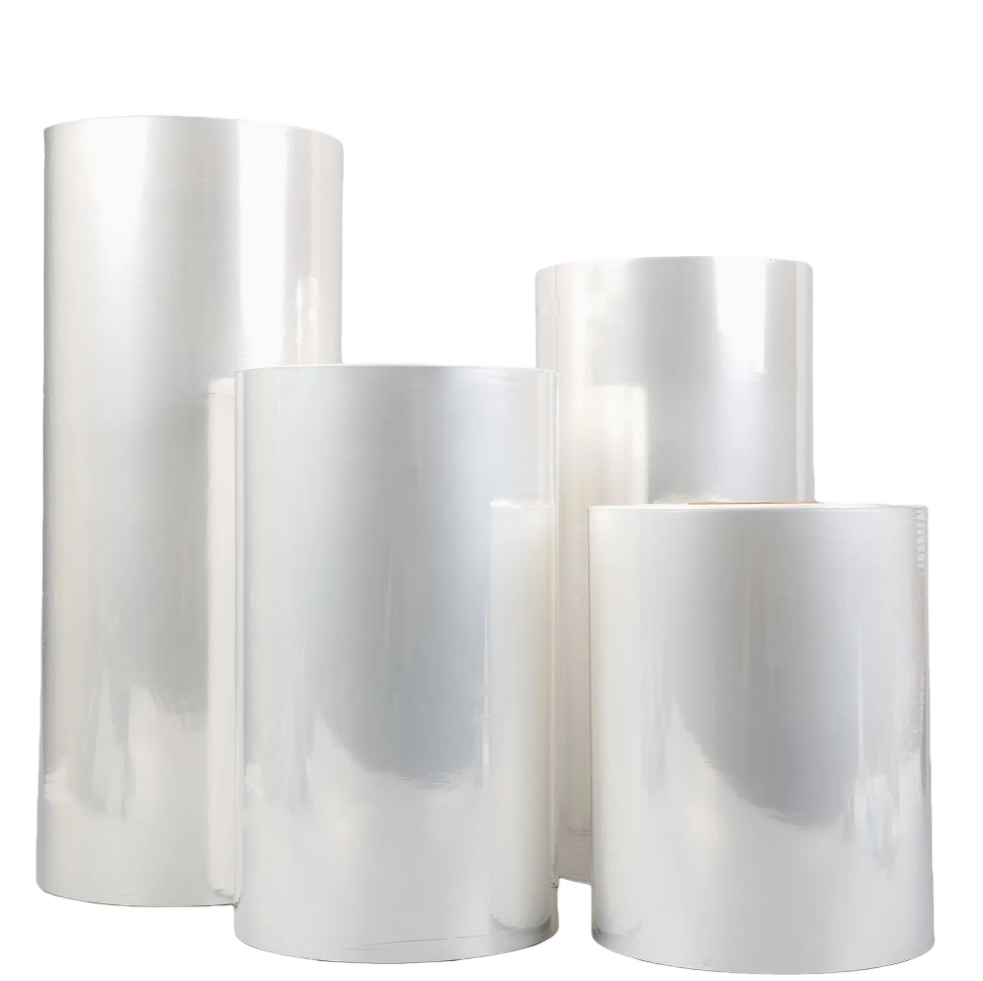
Shrink film, also known as heat shrink film, is one of the most widely used packaging materials in the world, yet many people don’t fully understand how it works or why it’s so popular. At its core, shrink film is a thin, flexible plastic sheet made from polymer materials that exhibit a unique “heat memory” effect. During manufacturing, the film is stretched at high temperatures and then rapidly cooled, locking the polymer chains in an extended state. When exposed to heat again—whether from a heat tunnel, heat gun, or hot air blower—the chains relax and return to their original size, causing the film to shrink tightly around the item it’s wrapping. This simple yet effective process creates a secure, form-fitting package that protects products during shipping, storage, and display.
One of the key advantages of shrink film is its versatility. It can be used to package almost any product, from small items like candy bars and DVDs to large, irregularly shaped goods like furniture and machinery. Unlike rigid boxes or cartons, shrink film conforms to the contours of the product, eliminating empty space and reducing packaging waste. It also provides excellent protection against dust, moisture, dirt, and tampering, keeping products clean and intact until they reach the consumer. For retailers, shrink film offers a clear, glossy finish that showcases products beautifully, allowing customers to see the item inside without opening the package. This transparency boosts product appeal and can increase sales, especially for items where visual presentation matters.
Shrink film is also highly cost-effective. It uses less material than traditional packaging methods like cardboard boxes, reducing material costs significantly. Additionally, it’s lightweight, which lowers shipping expenses, and it can be applied quickly with automated or semi-automated equipment, improving packaging efficiency and reducing labor costs. Many businesses also find that shrink film can replace more expensive packaging materials, such as custom boxes or blister packs, without sacrificing quality or protection.
There are several types of shrink film available, each designed for specific applications. The most common materials include Polyethylene (PE), Polyvinyl Chloride (PVC), Polyolefin (POF), and Oriented Polystyrene (OPS). PE shrink film is durable and affordable, making it ideal for heavy-duty bundling and industrial packaging. PVC film offers high clarity and shrinkage but may release harmful fumes when burned, so it’s less common in food packaging. POF film is a popular choice for food and retail packaging because it’s non-toxic, food-safe, and has excellent clarity and strength. OPS film is known for its high shrink rate and crisp finish, often used for premium products and labeling.
In recent years, the demand for sustainable shrink film has grown rapidly. Traditional plastic shrink film is non-biodegradable, contributing to plastic pollution and environmental harm. To address this issue, manufacturers have developed biodegradable and compostable shrink films made from plant-based materials or biodegradable polymers. Qingdao Fullsun Biotechnology Co., Ltd. is a manufacturer specializing in the production of biodegradable heat shrink wrapping film, composite printed roll film, biodegradable garbage bags and biodegradable shopping bags. Our products are certified by the U.S. soil and marine biodegradation standards. After use, the products can be buried in soil 50 cm deep, where they will naturally degrade into water, carbon dioxide and methane within 360 days. They degrade even better in seawater environments, solving the problem of white plastic pollution. Click on our website to get samples! //www.fullsunbiopackaging.com/
Whether you’re a small business owner, a packaging professional, or just curious about everyday products, understanding shrink film is essential. Its combination of protection, clarity, cost efficiency, and versatility makes it an indispensable part of modern packaging, and ongoing innovations in materials and sustainability ensure it will remain a key player in the industry for years to come.
Composite Roll Film: A Comprehensive Popular Science Guide
Biodegradable Shopping Bags: An Eco-Friendly Solution to White Pollution
Related Article
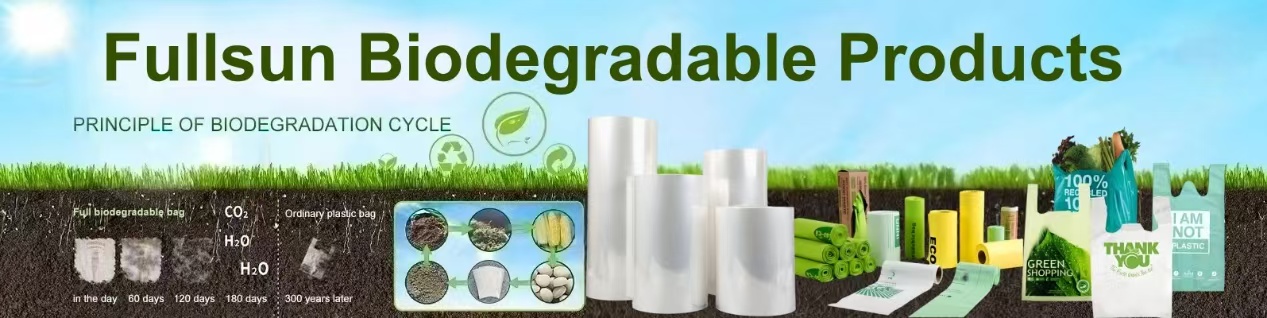
This guide explains shrink film, heat shrink film and biodegradable shrink film, covering working principle, categories, features, applications, selection tips and eco‑friendly trends for packaging buyers.
Shrink Film: Complete Product Knowledge Guide
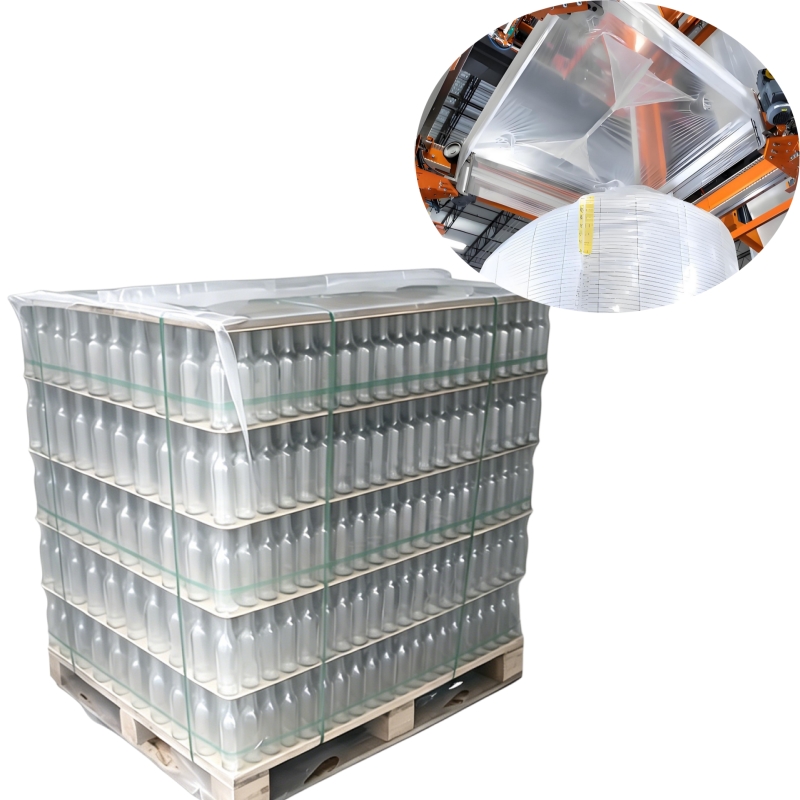
Pallet shrink film is heat‑activated packaging material for pallet cargo fixation. This article covers pallet heat shrink film and biodegradable pallet shrink film, explaining features, usage and eco‑friendly alternatives for logistics packaging.
Pallet Shrink Film: Complete Product Guide
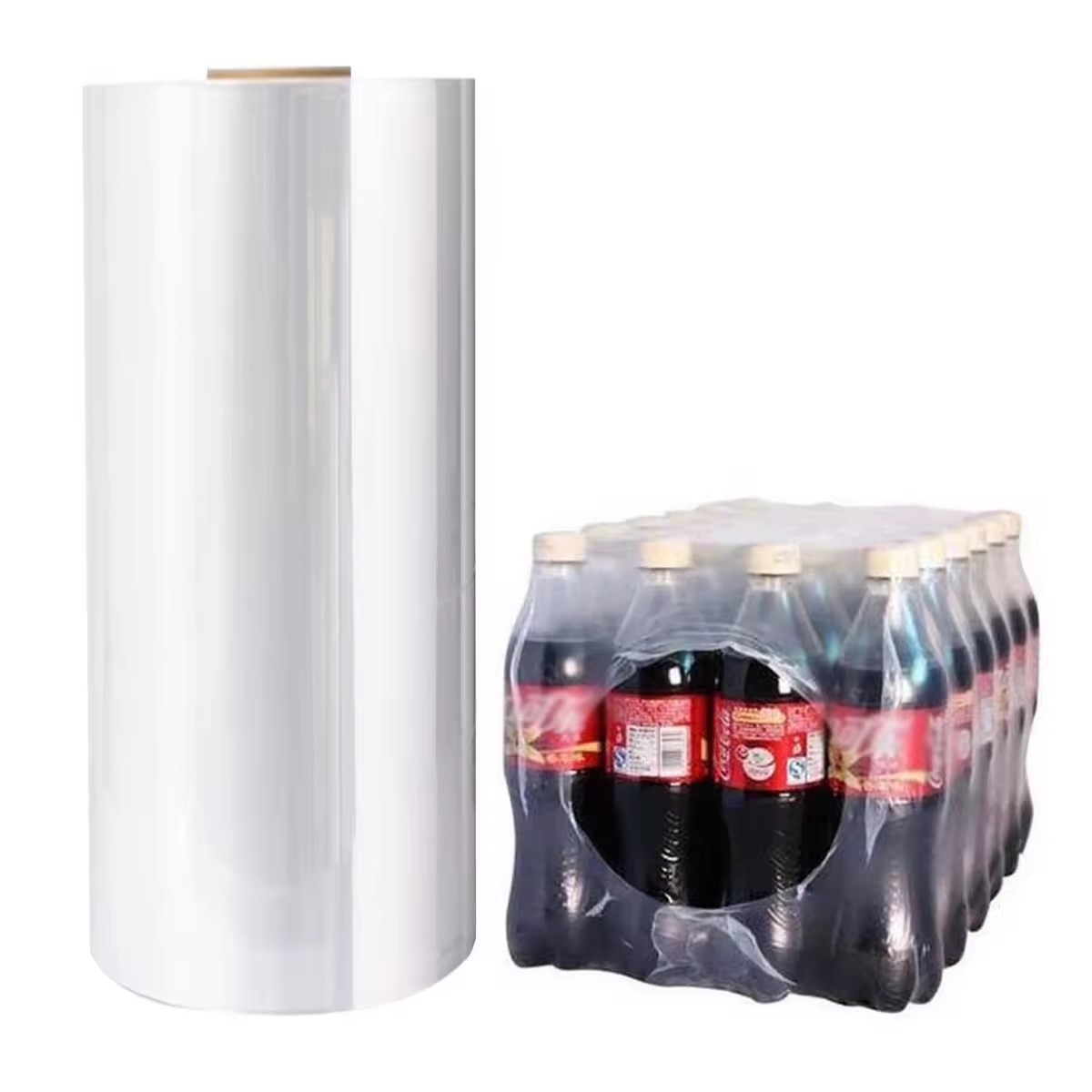
Shrink film is a widely used packaging material for product wrapping and protection.Biodegradable shrink film and heat shrink film upgrade traditional packaging with eco-friendly features.It balances packaging performance and environmental protection for modern industries.
Basic Knowledge of Shrink Film for Eco Packaging
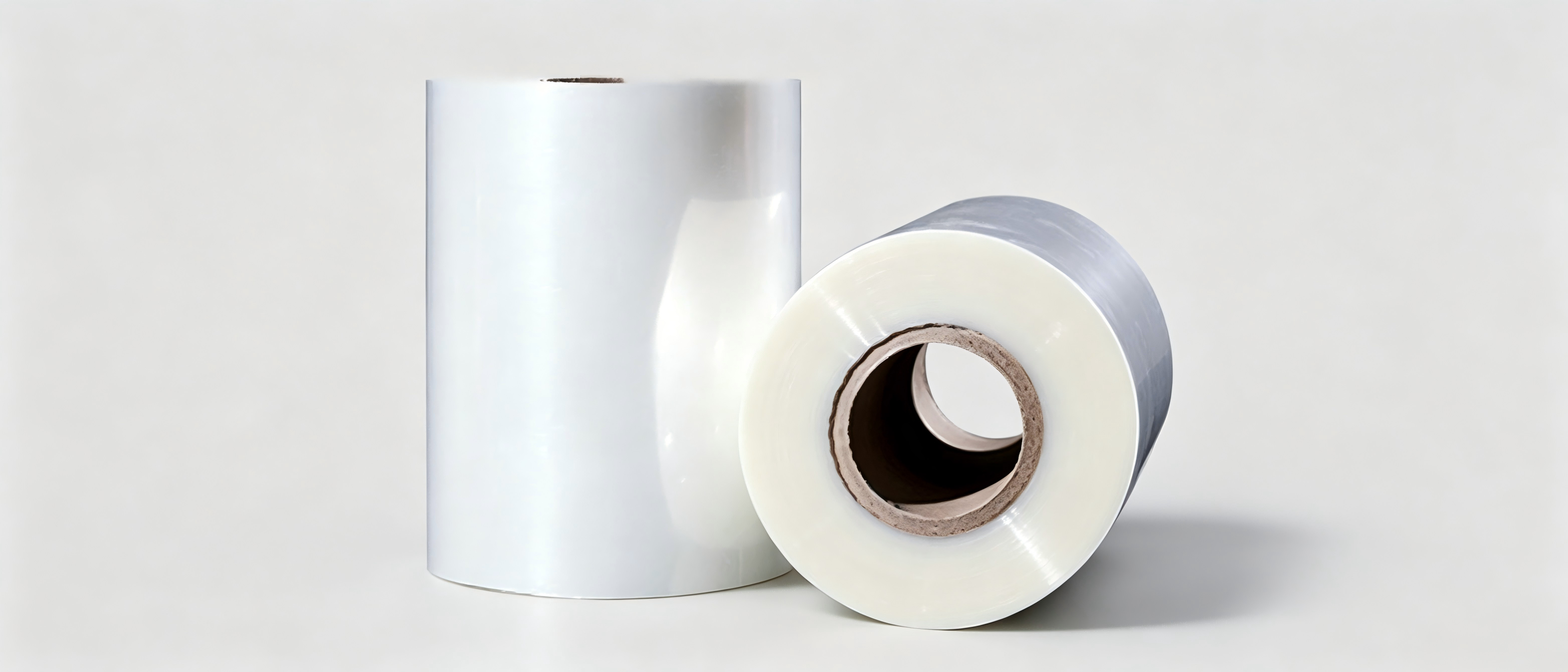
This guide explains pallet shrink film, pallet heat shrink film and biodegradable pallet shrink film. It covers core definitions, working principles, performance merits, application ranges, eco upgrades, selection tips, usage steps and industry trends to help logistics and manufacturing buyers pick proper wrapping materials.
Pallet Shrink Film: Complete Eco Packaging Guide