What Is Composite Roll Film? A Basic Introduction to Multi-Layer Packaging
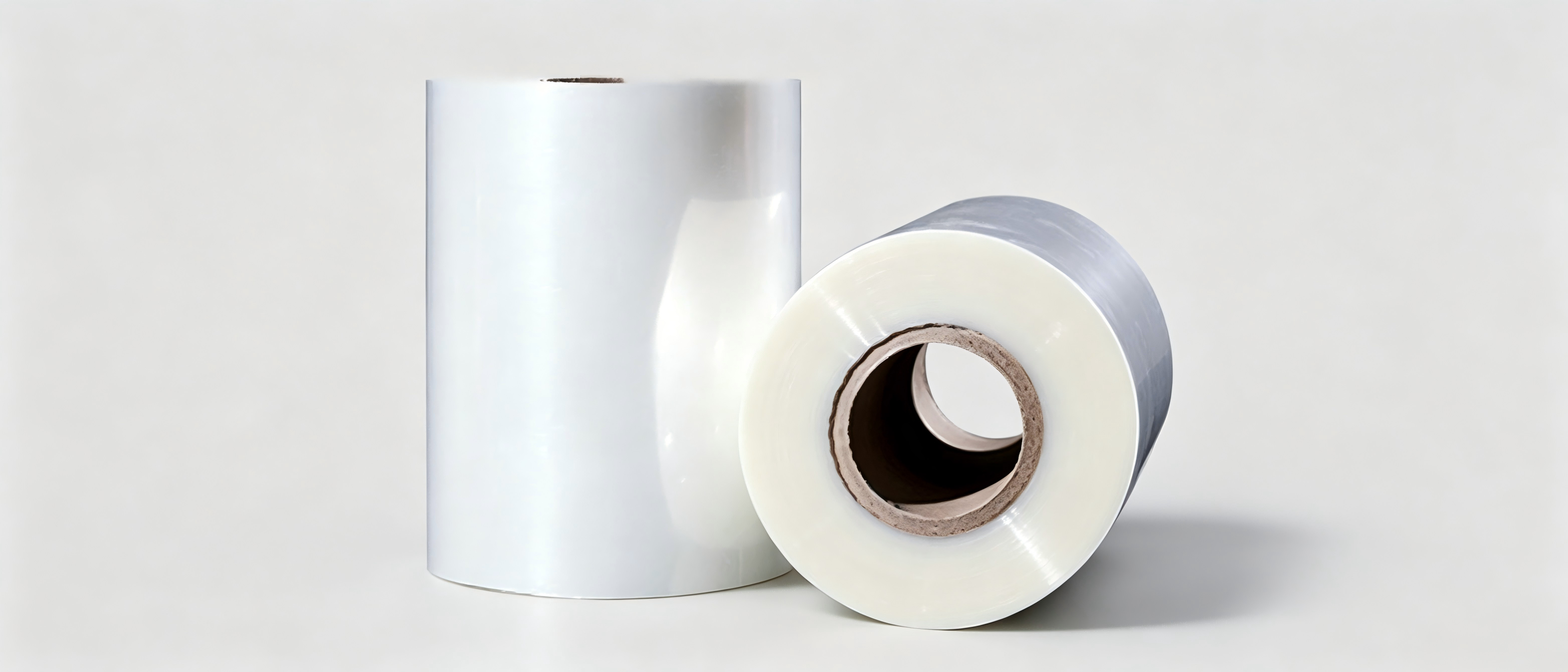
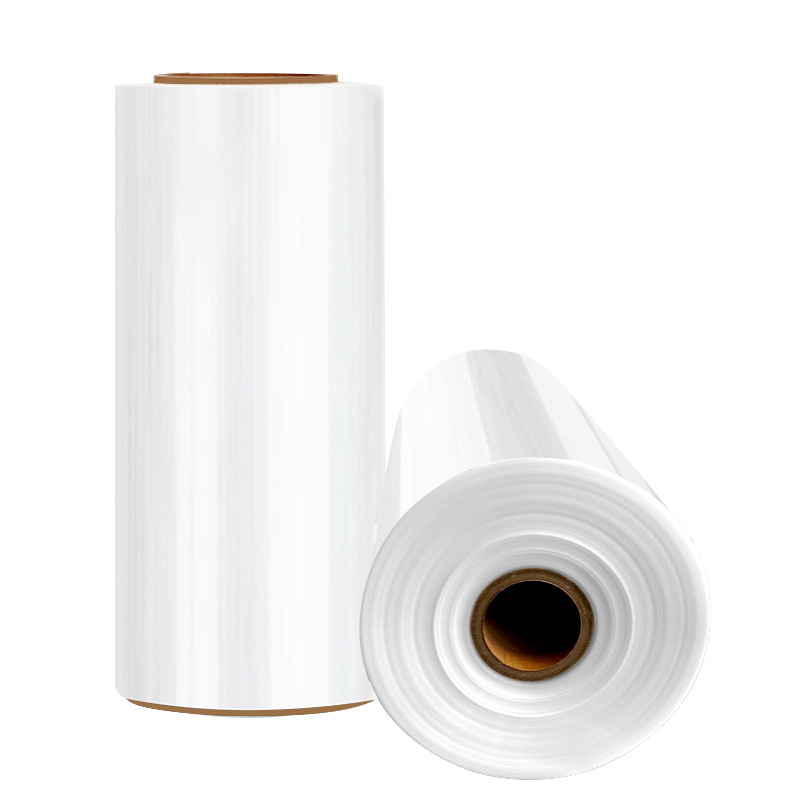
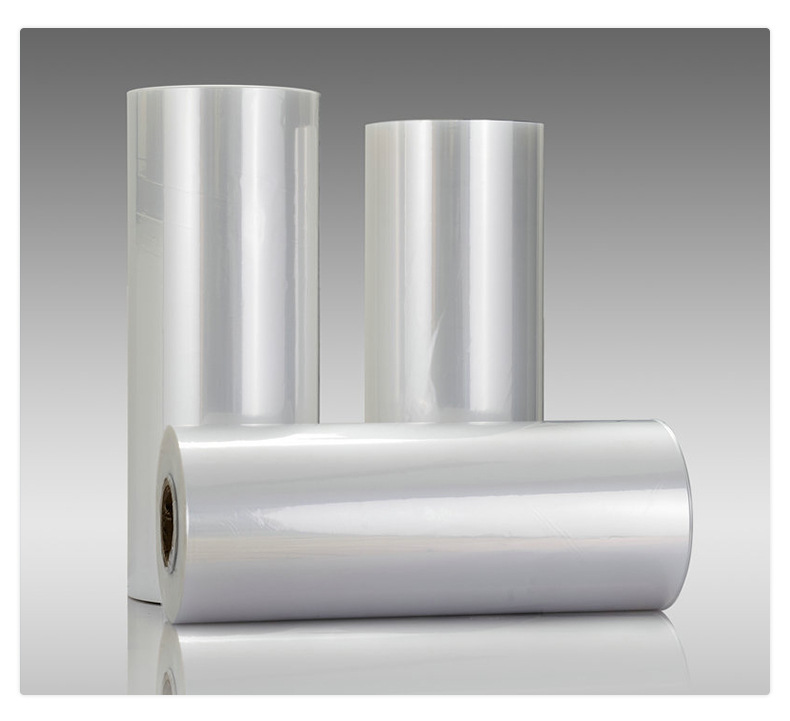
Composite roll film is a sophisticated packaging solution that integrates two or more distinct materials into a single, cohesive structure. This multi-layered design leverages the unique properties of each component to create a film with superior performance characteristics. For instance, a typical composite film might include layers of polyethylene (PE) for flexibility, polyester (PET) for strength, and aluminum foil for barrier protection against oxygen and moisture. The combination of these materials results in a product that outperforms single-layer films in terms of durability, resistance to punctures, and preservation capabilities.
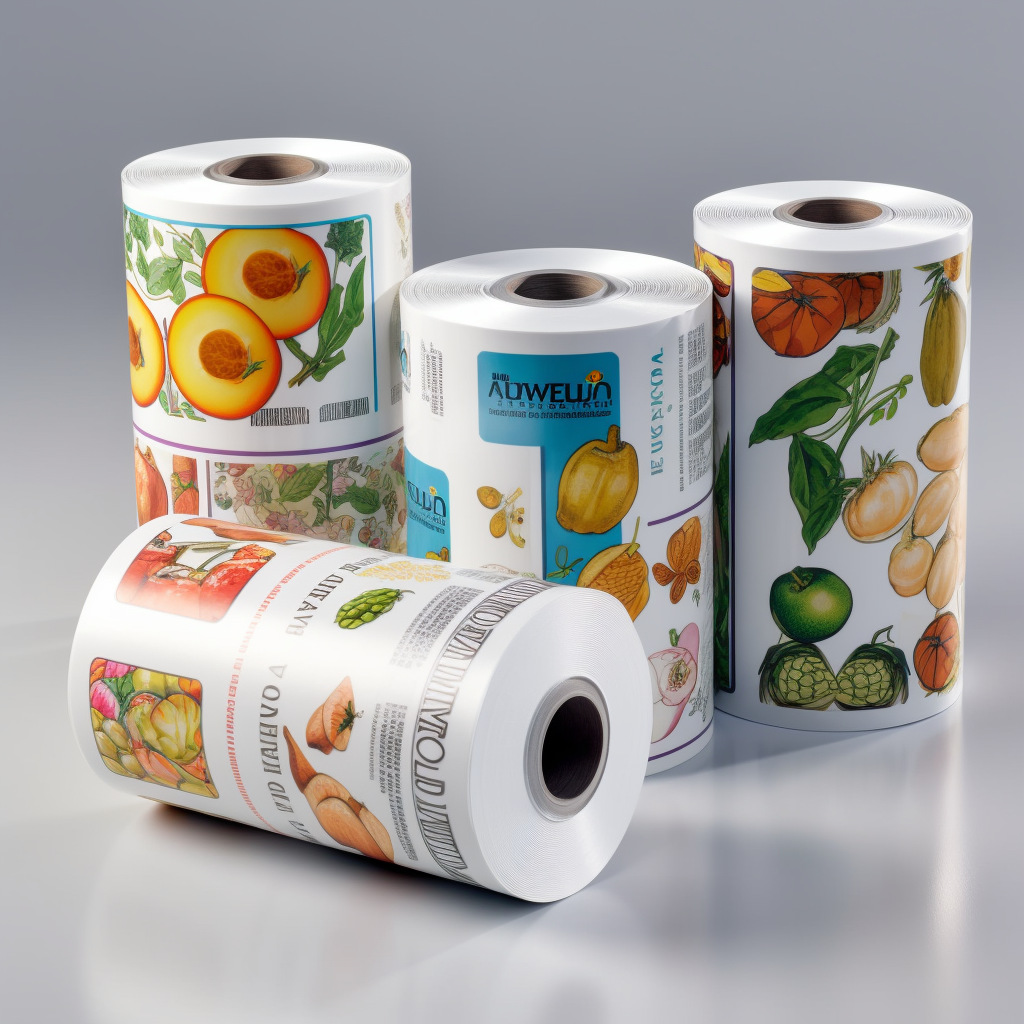
One of the key advantages of composite roll film is its versatility. It can be tailored to meet specific packaging needs by adjusting the number and type of layers. For example, films used for food packaging often incorporate barrier layers to prevent spoilage, while those for industrial applications may prioritize strength and tear resistance. Additionally, composite films can be printed with high-quality graphics, making them ideal for branding and product differentiation. This printability is achieved through surface treatments that enhance ink adhesion, ensuring vibrant and long-lasting designs.
In recent years, the demand for sustainable packaging solutions has driven innovation in composite roll film technology. Manufacturers are increasingly focusing on biodegradable and compostable materials to address environmental concerns.Qingdao Fullsun Biotechnology Co., Ltd. is a manufacturer specializing in the production of biodegradable heat shrink wrapping film, composite printed roll film, biodegradable garbage bags and biodegradable shopping bags. Our products are certified by the U.S. soil and marine biodegradation standards. After use, the products can be buried in soil 50 cm deep, where they will naturally degrade into water, carbon dioxide and methane within 360 days. They degrade even better in seawater environments, solving the problem of white plastic pollution. Click on our website to get samples! //www.fullsunbiopackaging.com/This commitment to sustainability reflects a growing trend in the industry, where composite films are being developed with renewable resources and eco-friendly production processes.
The production process of composite roll film involves several steps, including extrusion, lamination, and printing. Extrusion involves melting polymer resins and forming them into thin sheets, which are then laminated together using adhesives or heat. The lamination process ensures that the layers bond securely, creating a strong and uniform film. Printing is typically done using flexographic or gravure methods, which allow for high-resolution images and text. Quality control is crucial throughout the production process to ensure that the film meets industry standards for thickness, strength, and barrier properties.
Composite roll film finds applications across a wide range of industries. In the food sector, it is used for packaging snacks, frozen foods, and beverages, where it helps maintain freshness and extend shelf life. In pharmaceuticals, it is used for blister packs and sachets, providing protection against moisture and contamination. In the consumer goods industry, it is used for packaging personal care products, household items, and electronics. The film's ability to be customized for specific applications makes it a preferred choice for many manufacturers.
Another important aspect of composite roll film is its cost-effectiveness. While the initial production costs may be higher than single-layer films, the enhanced performance and longer shelf life often result in overall cost savings. For example, a composite film that extends the shelf life of a product can reduce waste and improve supply chain efficiency. Additionally, the printability of composite films allows for effective marketing and brand promotion, which can increase product visibility and sales.
Looking ahead, the future of composite roll film is likely to be shaped by advancements in material science and sustainability. Researchers are exploring new materials, such as bioplastics and nanocomposites, to further improve the performance and environmental impact of composite films. As consumer demand for eco-friendly packaging continues to grow, manufacturers will need to balance performance with sustainability, driving innovation in the field.
Biodegradable Trash Bags
Popular Science of Biodegradable Shrink Film
Related Article